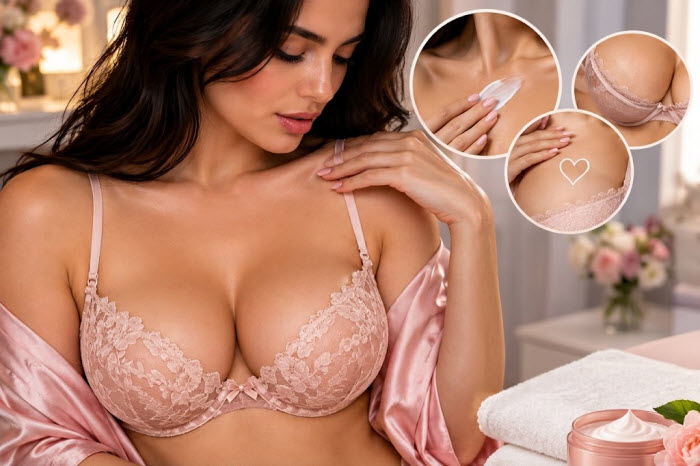
The skin around your breasts deserves the same thoughtful care as the rest of your body. However, this delicate area may need a slightly different approach because it can be affected by friction, sweat, changes in temperature, clothing and everyday skincare products.
Whether you wear bras, bralettes, bodysuits or delicate lingerie, a simple and consistent routine can help keep the skin around your breasts comfortable, soft and well moisturised. The goal is healthy skin—not perfection or an expensive collection of beauty products.
1. Cleanse Gently Every Day
The breast area does not usually require a special cleanser. A mild, fragrance-free body wash and lukewarm water are generally enough to remove sweat, oil and everyday impurities.
Pay attention to the skin beneath the breasts, where moisture and friction can sometimes cause irritation. After exercise or sweating, gently cleanse the area and change out of damp clothing.
Avoid harsh soaps, aggressive scrubbing and heavily fragranced products if your skin is sensitive. These can contribute to dryness or irritation, particularly in skin folds.
2. Keep the Skin Properly Moisturised
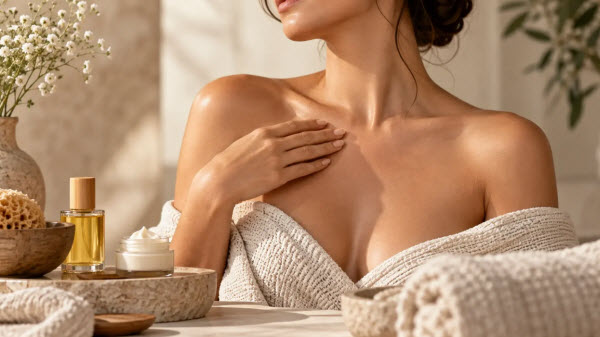
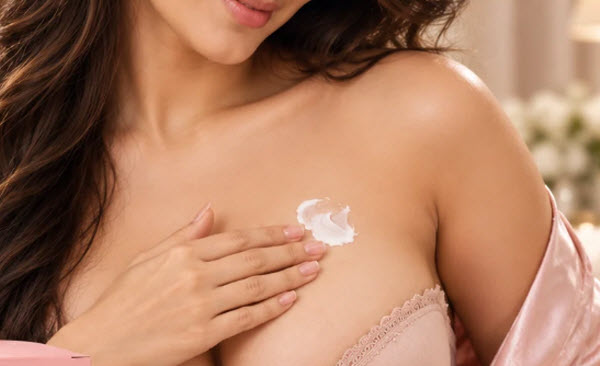
Moisturising helps support the skin barrier and reduces dryness. After bathing, gently pat your skin dry and apply a moisturiser while the skin is still slightly damp.
Look for products containing ingredients such as:
- Glycerin: Helps attract and retain moisture.
- Ceramides: Support the skin’s natural protective barrier.
- Hyaluronic acid: Helps the skin hold water.
- Petrolatum: Helps reduce moisture loss, especially on dry areas.
Choose a product that feels comfortable on your skin and does not cause irritation. If you are prone to spots around the chest, a lightweight, non-comedogenic moisturiser may be a better choice.
You do not need a special breast cream to maintain healthy skin, and moisturisers cannot reliably prevent or remove stretch marks.
3. Give the Décolletage Extra Attention
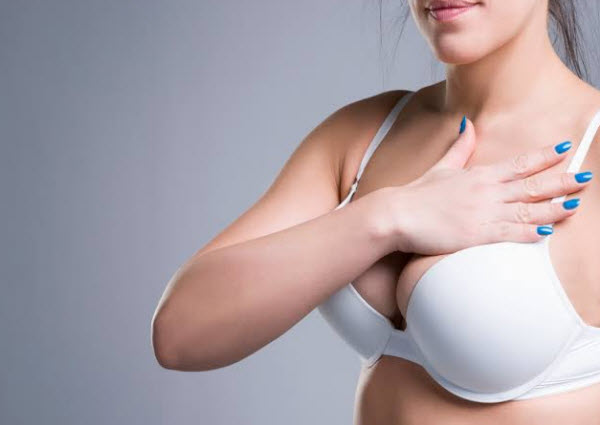
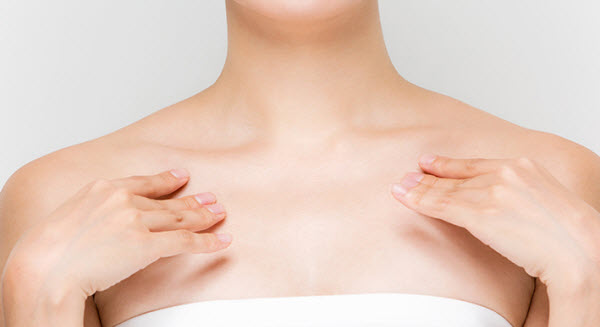
The décolletage is the area across the upper chest and toward the base of the neck. Because it is often exposed to sunlight, it can develop uneven pigmentation and visible signs of sun damage over time.
Apply a broad-spectrum sunscreen with SPF 30 or higher to exposed skin, including the upper chest. Reapply according to the product instructions, particularly after swimming, sweating or prolonged outdoor exposure.
If you already use a gentle facial moisturiser or sunscreen that suits your skin, it may also work well on your upper chest. Introduce new products gradually, especially if your skin is sensitive.
4. Reduce Friction From Bras and Lingerie
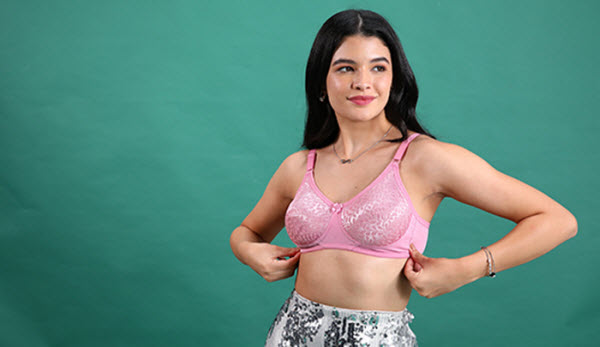
The right fit can make a significant difference to skin comfort. A bra that is too tight, has rough seams or rubs repeatedly against the skin may contribute to redness, chafing or tenderness.
For everyday comfort:
- Choose a bra or bralette that fits without digging into your skin.
- Look for smooth seams and soft fabrics if you are prone to irritation.
- Change out of sweaty bras and sportswear promptly.
- Wash lingerie with a mild detergent if fragrances or fabric additives irritate your skin.
- Make sure the area beneath the breasts is dry before putting on a bra.
For special occasions, new lingerie should ideally be tried on before the event. This gives you time to check the fit and identify any fabric or trim that might cause discomfort.
5. Be Careful With Exfoliation
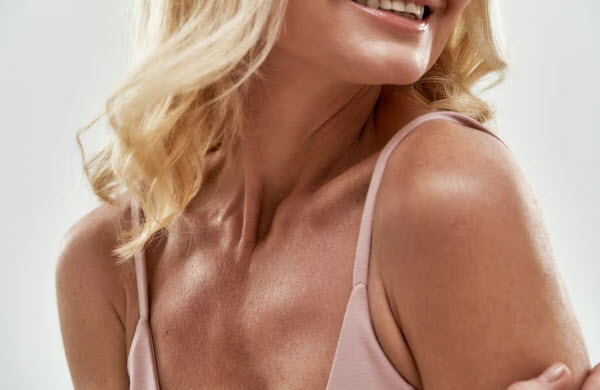
The skin on the upper chest can sometimes benefit from gentle exfoliation, but frequent or aggressive scrubbing may damage the skin barrier.
If you choose to exfoliate, start cautiously and follow the product instructions. Avoid abrasive scrubs, especially on irritated, broken or recently shaved skin.
Do not apply strong exfoliating acids or retinoid products to the nipples or areolas unless a qualified healthcare professional specifically advises you to do so. These areas can be particularly sensitive.
If your skin becomes red, stings, peels excessively or feels tight after using a product, stop using it and allow the skin to recover.
6. Care for the Skin Beneath the Breasts
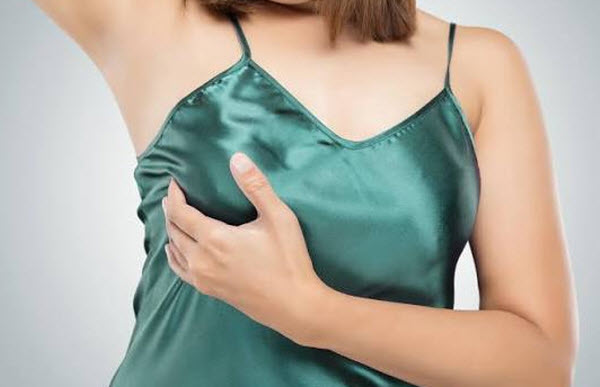
The fold beneath the breasts can trap heat and moisture, particularly in warm weather or during exercise. Prolonged dampness and friction may lead to irritation and sometimes a fungal or other skin infection.
To help keep this area comfortable:
- Wash gently and dry thoroughly without rubbing.
- Change out of damp clothing after exercise.
- Wear breathable fabrics when practical.
- Choose supportive lingerie that does not create excessive friction.
- Avoid applying several fragranced products to the skin fold.
If you develop a persistent rash, strong itching, pain, cracking, an unpleasant smell or spreading redness, seek medical advice rather than relying on moisturiser alone. These symptoms may need specific treatment.
7. Treat the Nipples and Areolas Gently
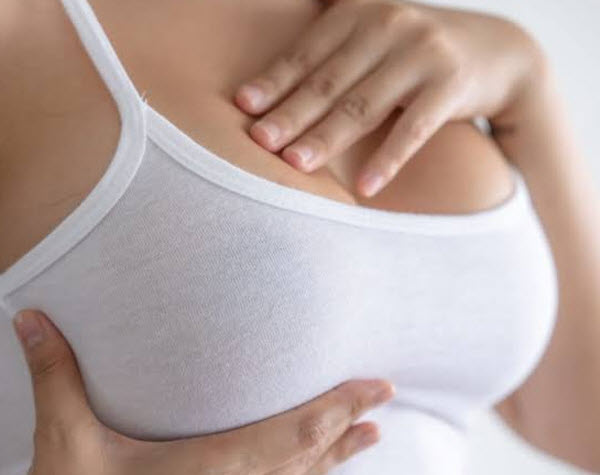
The nipples and areolas have different skin characteristics from the surrounding chest, so they should be treated with particular care.
Wash them gently with water or a mild cleanser, and avoid scrubbing, whitening products, fragranced lotions and harsh home remedies. If the skin is dry, a simple, fragrance-free emollient may help, provided it does not cause irritation.
Avoid squeezing the nipples or repeatedly rubbing the area to test its sensitivity. If you notice persistent cracking, unusual discharge, a new rash that does not improve, a lump or a sudden change in the appearance of a nipple, arrange a medical assessment.
8. Choose Skincare Products Carefully
A longer skincare routine is not necessarily a better one. Using too many products at once can make it difficult to identify the cause of irritation.
A practical routine might include:
Morning: Apply moisturiser to dry areas and sunscreen to exposed upper-chest skin.
After bathing: Pat the skin dry and apply moisturiser while it is slightly damp.
After exercise: Change out of sweaty clothing, gently cleanse the area and dry the skin folds thoroughly.
When trying a new product: Test it on a small area of skin first and stop using it if irritation develops.
Avoid products that promise dramatic breast enlargement, lifting or permanent firming through topical application. Ordinary skincare products can improve hydration and the appearance of dry skin, but they cannot reliably change breast size or reshape breast tissue.
9. Remember That Skin Changes Naturally
The appearance of breast skin can change with age, weight fluctuations, hormonal changes and pregnancy. Stretch marks, visible veins and differences in skin tone or texture are common, and they do not necessarily indicate a problem.
Moisturising and sun protection can support skin health, but no routine can guarantee perfectly smooth skin or prevent every natural change.
The most useful approach is to focus on comfort, consistency and recognising changes that are unusual for you.
When Should You Seek Medical Advice?
Most everyday dryness and mild friction can be managed with gentle skincare and better-fitting clothing. However, skincare is not a substitute for medical assessment when something unusual develops.
Seek medical advice if you notice a new breast lump, persistent or unexplained pain, a new nipple inversion, unusual nipple discharge, skin dimpling, or a persistent rash affecting one breast or nipple. Redness accompanied by warmth, swelling, fever or rapidly worsening pain also deserves prompt assessment.
These symptoms do not automatically mean something serious is wrong, but they should not be treated with beauty products alone.